
The Zhou House Under Threat
I ChingThis flow traces the political contest between the Zhou house and King Shou of Shang as it appears in Legge's historical framing.
increasing Bearing strength in each event
 decreasing
Bearing strength in each eventdecreasingShang Authority Weakens
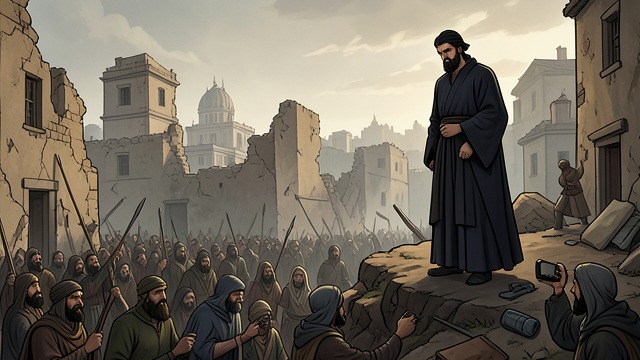
A Court Losing Its Hold
Disorder at home
Legge cites descriptions of lawlessness, predatory conduct, and failing royal authority in the late Shang. The crisis is presented as more than a private feud among rulers.
The state itself appears unable to maintain justice or public confidence.
A ruler under accusation
King Shou of Shang is portrayed as cruel, irreverent, and hostile to counsel. These allegations give moral weight to the challenge that later comes from Zhou.
The narrative establishes a political conflict in which dynastic loyalty and resistance to tyranny collide.
Wen's Virtue Attracts Support
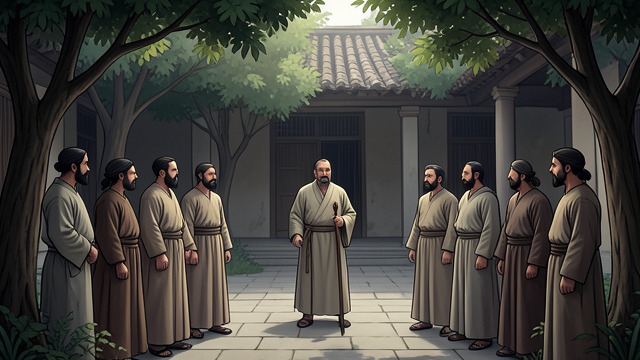
An Alternative Center of Authority
The lord of Zhou
King Wen has influence beyond his own fief because of his conduct in peace and war. Legge describes him as admired by princes and people.
His stature offers a contrast to the instability of the Shang court.
Restraint before action
Although supporters might follow him against the tyrant, King Wen fears the charge of disloyalty. His caution makes political legitimacy an active dilemma rather than a settled judgment.
The tension grows because his virtue is already public, while his authority to act remains uncertain.
Suspicion Becomes Captivity
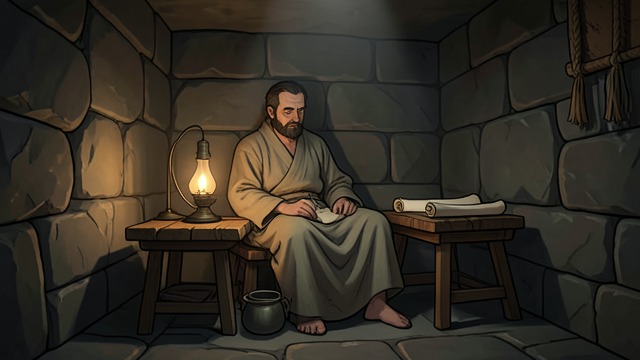
The Crisis at Youli
A ruler's response
King Shou of Shang responds to King Wen's growing influence with suspicion. King Wen is confined at Youli, where the danger of death remains real.
The imprisonment converts political rivalry into immediate personal peril.
A narrow space for thought
Legge makes the place of confinement the setting in which King Wen studies the figures. The outwardly modest task becomes a way of contemplating the whole state.
The prison episode links political vulnerability to the intellectual origin story of the core text.
Release and Continued Caution
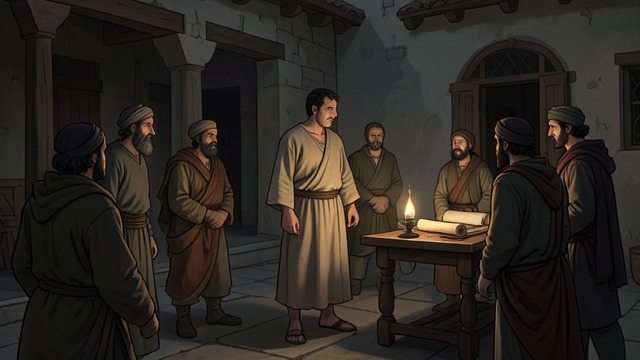
Freedom Without Resolution
Friends secure release
Legge reports that King Wen's supporters appeased the ruler's jealousy and obtained his release. Confinement ends, but the opposition between the two political houses does not.
The release is a reprieve, not a reconciliation.
Counsel for dangerous times
The Changes' warnings about restraint, waiting, and proper authority gain force against this continuing uncertainty. Political survival requires more than boldness.
King Wen's experience provides a context for advice that often values timing as much as action.
The Zhou Campaign Succeeds
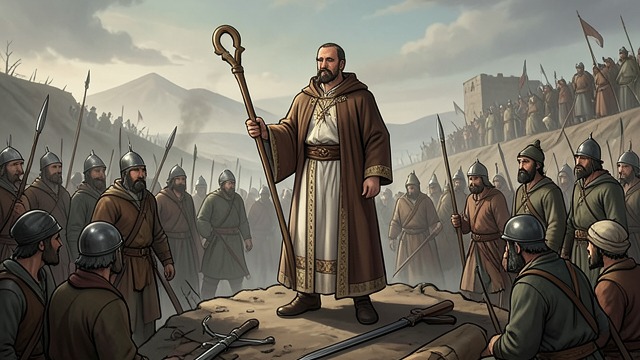
A Dynastic Turning Point
King Wu takes the field
King Wu of Zhou ultimately leads the campaign against Shang. Legge uses this outcome to illuminate passages on military command and the right use of force.
The movement from King Wen's restraint to King Wu's action gives the contest its political resolution.
Victory does not end the problem
The text's counsel warns against divided command and unsuitable appointments after a successful campaign. A new regime must establish order without rewarding the unworthy.
The conquest resolves the dynastic conflict but begins the harder task of governing well.
Late Shang, before 1143 BC
Before 1143 BC
1143 BC
1142 BC
1122 BC
